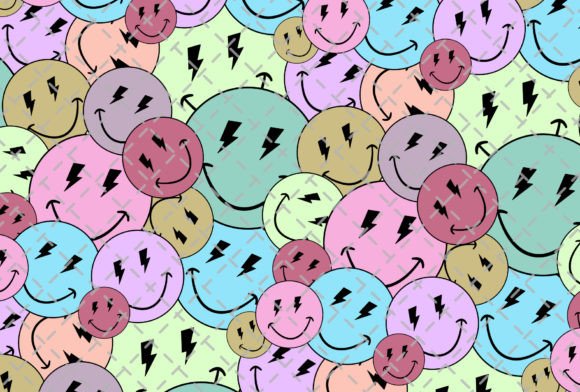
Happy Smiley Face Retro Seamless Pattern: Unlocking Creative Energy
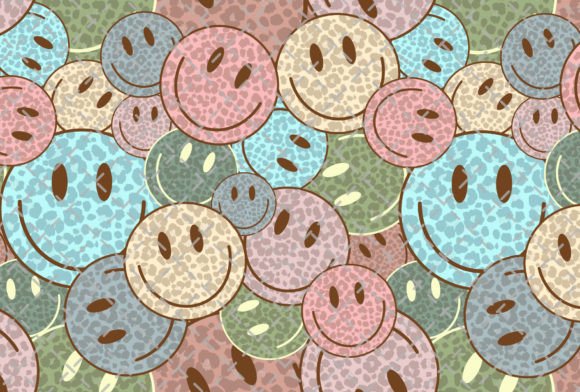
There is a specific kind of energy that comes with retro design, a sense of nostalgia mixed with an unapologetic cheerfulness. When we look at the Happy Smiley Face Retro Seamless Pattern, we are looking at more than just a collection of yellow circles. We are looking at a design asset that taps into a cultural history of positivity. This isn't a font in the traditional sense of typography; it is a repeating graphic motif that functions as a powerful textural element. As a seamless pattern, it offers a continuous, unbroken flow of iconic imagery that can transform a flat surface into a dynamic visual experience.
The personality of this pattern is unmistakable. It carries the weight of vintage aesthetics—think 1970s pop culture and the resurgence of Y2K trends—but it does so with a clean, vector-like precision that ensures it works in modern digital contexts. The visual style is bold, repetitive, and rhythmic. Because the file is delivered as a high-resolution 3,600x3,600 pixel JPG at 300dpi, the integrity of those retro details remains crisp whether you are zooming in for a digital mockup or printing it at full scale. For designers and entrepreneurs, this pattern serves as a bridge between playful branding and professional production quality.
Strategic Applications for Modern Creators
Understanding where to deploy the Happy Smiley Face Retro Seamless Pattern is key to unlocking its value. In the realm of packaging design, this pattern works exceptionally well as a background element for product labels, particularly for lifestyle brands, wellness products, or children’s merchandise. It provides immediate shelf appeal because the smiley face is a universal symbol of happiness. However, it is not limited to physical goods. In web design, this graphic can be used as a subtle background texture for landing pages or "About Me" sections where a brand wants to convey approachability and fun without sacrificing load times or readability.
For those involved in editorial design and social media graphics, the pattern offers a solution to the constant demand for fresh content. A content creator can use this image as a background for Instagram stories, Pinterest pins, or YouTube thumbnails to create a cohesive visual identity. It acts as a visual anchor. When you use a consistent pattern across your digital assets, you build brand recognition faster than with text alone. Small business owners, in particular, can benefit from this. Applying the pattern to tote bags, postcards, or greeting cards turns standard merchandise into branded experiences.
Visual Hierarchy and Brand Perception
Design is rarely about a single element; it is about how elements interact. The Happy Smiley Face Retro Seamless Pattern influences visual hierarchy by acting as a strong supporting actor. Because the pattern is busy and repetitive, it requires careful pairing with typography. If you are overlaying text, you need a typeface that stands out against the visual noise. A bold display font or a clean sans serif font usually works best here. If you pair this retro pattern with a delicate script font, the text may get lost in the details of the smiley faces. The goal is contrast: the playful chaos of the pattern balanced against the structured clarity of your modern typography.
Brand perception is heavily influenced by the "vibe" of your assets. Using this pattern signals that a brand does not take itself too seriously, but still values quality. It is a deliberate choice to appear friendly and retro. However, context matters. This pattern might not fit a corporate law firm's annual report, but it is perfect for a music festival poster, a trendy coffee shop menu, or a tech startup's swag. It helps build a brand identity that feels human and accessible. When customers see this pattern on a mug or a sign, they associate the product with a specific era of optimism.
Practical Execution and Technical Specifications
When integrating this asset into your workflow, you need to treat it as a premium font or high-end graphic resource. The file is a single JPG, which means it is rasterized. While this ensures rich color depth and compatibility with almost every design software—from Photoshop to Canva—it does mean you cannot scale it infinitely like a vector file. Therefore, planning your canvas size is important. At 300dpi, the 12x12 inch size is perfect for print projects, but if you need to cover a large banner, you may need to tile the pattern manually or use software tools to repeat it seamlessly.
For logo design, tread carefully. While you can use the pattern to fill a shape within a logo, the licensing terms are strict. You cannot resell the file itself. This means you cannot take the JPG and upload it to a stock photography site or sell it as a digital asset on a marketplace. You are buying the right to use it in your projects, not to redistribute the source file. This is standard for commercial fonts and design assets, but it is always worth reviewing the usage rights to ensure your specific commercial application—like selling print-on-demand t-shirts—is covered.
Ultimately, the Happy Smiley Face Retro Seamless Pattern is a versatile tool for anyone looking to inject personality into their work. It requires a thoughtful approach to color theory (pairing it with muted tones can modernize the look, while primary colors keep it vintage) and layout. Whether you are a hobbyist making stickers or a marketer designing a campaign, this pattern provides a foundation of positivity that is hard to replicate with standard geometric shapes. It is a piece of visual shorthand for joy, ready to be deployed in your next creative project.